A Face Lift Every Season
Realskiers recently posted a list of 254 skis from 11 major brands, indicating which models are new, re-decorated or unchanged. While 95 of the listed models are new, which sounds like a reasonably robust degree of line turnover, a good slice of the new arrivals are Technical skis that serve a small but avid market, and just a few line introductions in the women’s sector represent about one in five new skis.
But in unisex skis between 73mm and 113mm there are only 33 new models, with core collection renewals at 5 brands accounting for most of these: Salomon (X-Drive), Rossignol (Experience), Nordica (NRGy), Line (Supernatural) and Blizzard (X-Power). Re-decorated skis number 133, and unchanged models total a measly 24.
We hasten to interject that our list is, by design, far from comprehensive. We haven’t represented every brand extant, and deliberately delete any models we regard as specialized tools for either pipe & park or backcountry use. We also look past the lowest price points and don’t bother with all the most exotic race iterations.
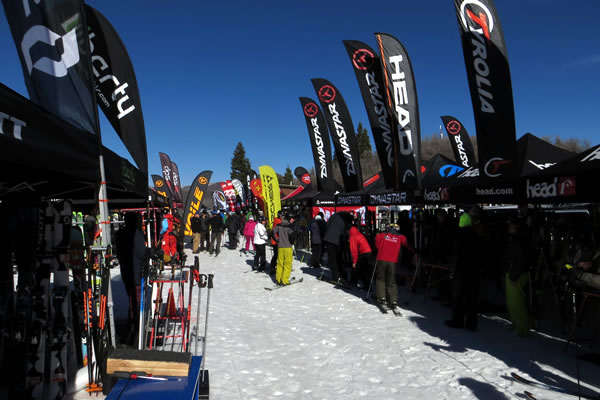
But 254 models is certainly a big enough bite of the market apple to validate a few observations. For example, of the 11 brands listed, only four had ANY unchanged models: Dynastar. Kästle, Rossignol and Völkl. That means 7 out of 11 major brands elected to change the look of virtually every ski in their line, new or not.
The question one can’t help but ask at this point is, what on earth for? The public isn’t clamoring for a new look every season. Most members of the skiing public only shop for new skis every few seasons at best and many go over a decade before renewing their rides. They are blissfully unaware of the ten, mayfly-short cosmetics they missed in the interval as their favorite model also underwent three major technical makeovers.
Ski retailers can’t be enthused with the idea that nearly every ski on display has an expiration period as brief and inescapable as unrefrigerated meat. Only skis don’t normally desiccate, decay or disintegrate over the summer; they keep remarkably well. But as soon as the new paint job is out, the old is suddenly passé and must be moved for a pittance lest it weaken morale among the other skis.
The most popular performance ski of 2014, Rossignol’s boffo Soul 7, is also the most high-profile model to return unchanged this year. Far from being a risky tactic, keeping the model unaltered allowed Rossi to ship Soul 7’s late into the 2014 season, for dealers were willing to take on stock that wouldn’t look dated in the fall. The 2015 consumer will also be better equipped to identify the ski he’s heard so much about.
So why don’t more suppliers take this tack? The most obvious answer is a new topskin treatment costs a lot less than cutting new molds and still allows the manufacturer to present a model as fresh and somehow more essential than if it hadn’t changed at all.
Occasionally cosmetic changes are driven by a deeper need to harmonize a line around a successful feature. For example, once Rossi recognized it had a hit on its hands with the Air Tip design, models like the Sin 7, barely a year old, were pitched aside so a substitute Sin 7 could assume this slot in the line, the better to benefit from the Soul 7’s publicity.
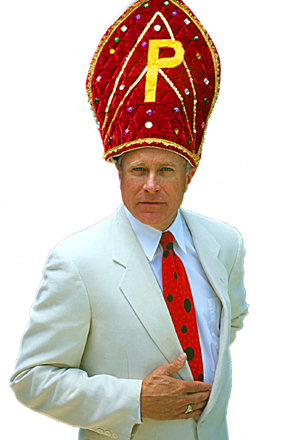
Logic would seem to suggest that there aren’t any other reasons why 4 out of 5 technically unaltered skis should return to ski racks across America with new graphics. This feverish, annual cycle of face-lifts can’t be any healthier (for the ski world as a whole) than it would be if practiced on humans.
Have you seen Joan Rivers? We rest our case.
Seriously, we see no harm to any party if ski brands were to decide to re-allocate the let’s-redesign-the-entire-line-again-this-year fund to other investments, be it a new model idea or marketing initiative that helps build the sport and nurture the specialty retailers who help sustain it.
– Jackson Hogen