
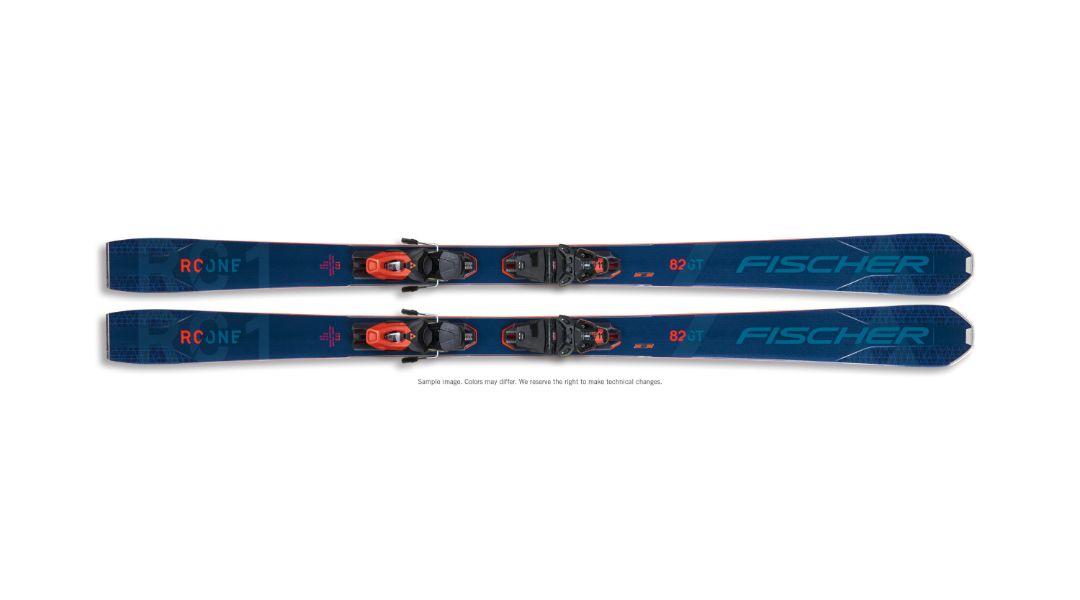
2023 Fischer RC One 82 GT
1

Ski Stats
Sidecut 126/82/112
Radius 16m @ 173cm
Lengths 159,166,173,180
Weight 2250g @ 173cm
MSRP $899.99
Power Score: 8.67
Finesse Score: 8.46
4

0
1

Frontside skis and World Cup, FIS-blessed race skis both allege they’re on their best behavior on hard snow. That much is true, but don’t think for a minute that they handle prepared slopes the same way. The fact is, the gulf between race skis and recreational skis made for the same (or at least, similar) surface has never been deeper or wider. Race skis don’t just require skills that 95% of the ski population don’t possess; they require physical conditioning and mental discipline absent in closer to 99% of the general population. The Fischer RC One 82 GT is built to bridge this gap. If you want to feel like the demi-god of carving, your search is over. There’s no need to get in an exaggerated posture or press into the tips for all you’re worth; the RC One 82 GT is easily directed from a comfortable, centered stance. They behave like World Cup training wheels: you can mimic the moves of the masters without having to have their level of athleticism and skill. Its edge grip is to die for. On a steep pitch where other Frontside specialists would flinch, the RC One 82 GT held with far less exertion. This is precisely the mission of the Frontside ski: to magnify the skier’s energy rather than drain it. The extra weight this ski hauls around helps a ton when it comes to sticking to a pencil-thin line on hardpack. Its sidecut and construction deliver an ultra-secure, short-radius turn; its shock-sucking mass and materials keep it quiet when you let it run. There’s a mini-trend emerging of loose Frontside skis that are meant to be more amenable to off-trail action; the RC One 82 GT can hold its own in some off-piste conditions, but it remains an unequivocally Frontside ski. While it aims to please a highly skilled skier, it’s not hard to ski. In fact, its stability throughout its inexhaustible speed range makes it a great tool for getting an advanced skier over the expert hump.