[As I wrapped up an earlier Revelation, I proposed to my beloved readership that they share their list of the top ten reasons U.S. ski sales have shrunk. I elicited only two written responses, so I’ll reproduce both here in their entirety, along with my musings on the subject. Consider these submissions tinder to light a fire under you, Dear Reader, to submit a list of your own.]
From Rick Pasturczak
1. Snowboarding-
I’ve noticed most snowboarders are 12 to 20 years old and once they become an adult, almost all stop. While I noticed most skiers continue on.
2. High school and college sports-
Schools now require practicing sports during Christmas and spring breaks taking away opportunities to hit the slopes and family vacations to the mountains. I’ve been told by many parents the coaches forbid them to ski.
3. Travel costs-
Lodging, airfare, ground transportation, and lift tickets.
4. Video games
5. Cost of lessons make it expensive to improve.
6. Confusing selection of equipment
7. Magazines and movies showing extreme skiing
8. Cruising. We need some resorts to be all inclusive.
9. Baggy pants. Bring back stretch pants and sex appeal.
10. Last, we need mother nature to be more consistent with snow.
When I left Salomon in the spring of 1987, my motivations could be distilled into three principal components:
• The parent company declared it was moving its Reno-based North American HQ back from whence it came. Neither I nor my family had the slightest desire to return to New England.
• I felt I was spending more energy battling factions within my own company than I was out-flanking our competition. I’d worked more or less without a break since June of 1978. My thin veneer of patience cracked.
• I wanted to write screenplays. Not that I had demonstrated any talent for creative writing or had any training in the field. I’d written reams of technical swill, brochure copy, training manuals and memos which created the illusion that I could at least write something, so why not screenplays?
Note that none of these factors involves finding a new job. At the time, I didn’t want to resume wearing the shackles of employment as they would interfere with my ludicrous screenwriting ambitions. Then the stock market went into a tailspin in October, crippling what little equity I’d managed to accrue on my minimalist salary. Oops.
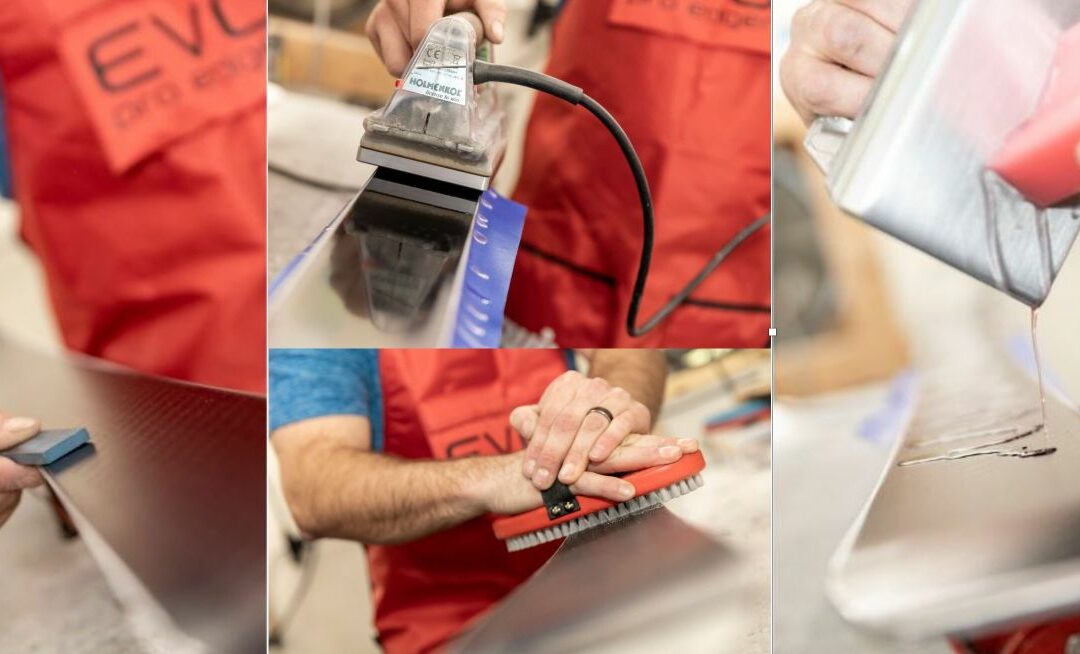
Don’t let the title fool you. Although it sounds like it, this Revelation isn’t about the degree to which skiing is top of mind among Helsinki society. The purpose of this exposé is to shine a light on a subject about which almost all skiers are woefully uninformed, namely the condition of their skis’ bases and edges.
Just in case you don’t imagine this subject worthy of your attention, I hasten to point out that how well your skis are tuned and maintained isn’t just a factor, it is the factor that determines how well your skis perform. A properly tuned ski, regardless of brand or type, is a delight for skiers of any and all abilities while an untuned ski is such a detriment that even supreme skill cannot overcome its liabilities.
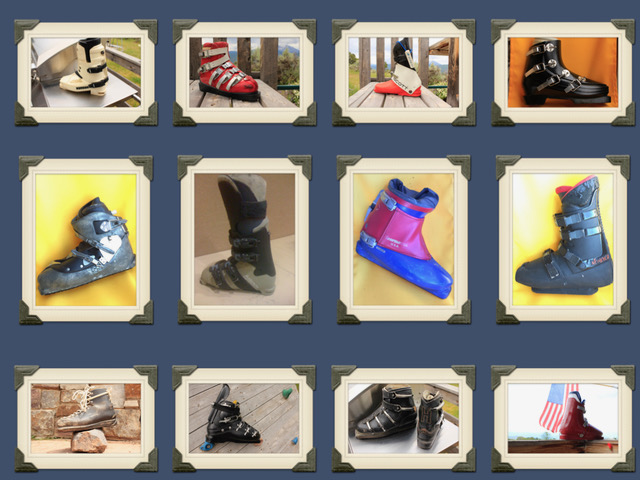
In the 1970’s, prior to the adoption of the first ski boot sole standard, boot makers were free to concoct any sort of sole they might imagine. Many skiers still used leather boots with laminated soles, even after the industry largely moved on to injected plastic, which enabled shapes and sole patterns leather couldn’t duplicate.
This incoherent jumble of boot designs showed no lack of imagination, but little consideration for how they might interact with a binding. Bindings were likewise free from any standards that might have limited the creativity of their designs, many of which were crafted specifically to reduce or eliminate the role of the boot.
The road to hell is said to be paved with good intentions. In my experience, the friends and relatives of prospective boot buyers are a wellspring of wretched advice wrapped in bright ribbons of sincerity and concern.
(Let us pause a moment and prayerfully acknowledge the gratitude of bootfitters everywhere that the new, pandemic-driven bootfit protocol discourages the presence of a bootfit entourage composed of family, moral supporters and consiglieri.)
Back to the subject at hand, the particular nugget of advice I’m leery of is the customary admonition to avoid too stiff a boot as it will hurt, you’ll hate it eventually if you don’t detest it immediately, and it will inhibit your skills development. Get only as much boot as you need and no more, goes the conventional wisdom. Racers need stiff boots; you don’t.