
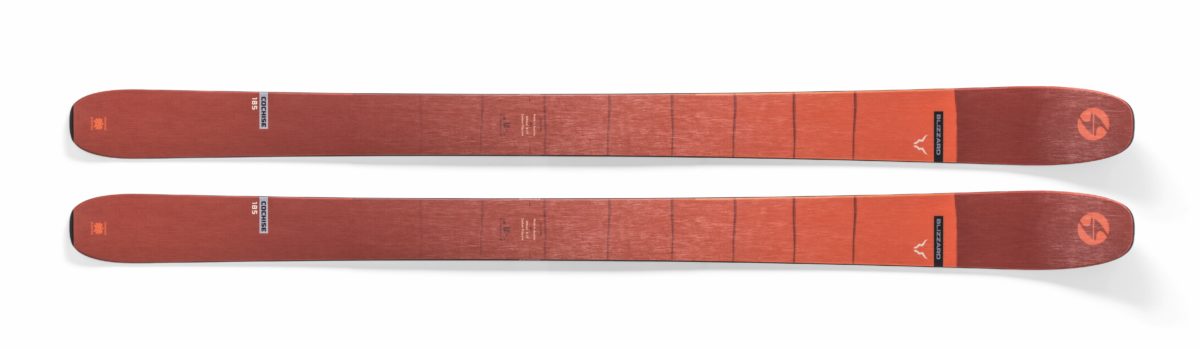
2020 Blizzard Cochise
1

Ski Stats
Sidecut 136/108/122
Radius 27m @ 185cm
Lengths 171,178,185,192
Weight 2330g @ 185cm
MSRP $900
Power Score: 8.50
Finesse Score: 8.07
3

0
0
The Blizzard Cochise has been around long enough that it’s become the longest tenured member of the Big Mountain academy. But don’t mistake its age for weakness. Until the Völkl Mantra 102 came along this year, the Cochise had no peer as a balls-to-the-wall crud-buster. It has the turn radius of a blue whale and the construction of a GS race ski. If you’re in its way, I would suggest moving. The reason the Cochise hasn’t lost its relevance has less to do with how it’s changed than how it hasn’t. No other ski beats it for stability at speed, and we mean in any condition. The dirty little secret that experts know about how to ski chopped-up powder is to step on the gas. The Cochise already knows not to pick a dainty path through the crud but to barrel through it, skimming over what’s still clean and pummeling the rubble. With this kind of power, of course it can ski hard snow, where the Cochise exhibits its prowess as a trench digger. If you have the skills, you can take the Cochise pretty much anywhere and it will dominate.