
2023 Fischer Ranger 96
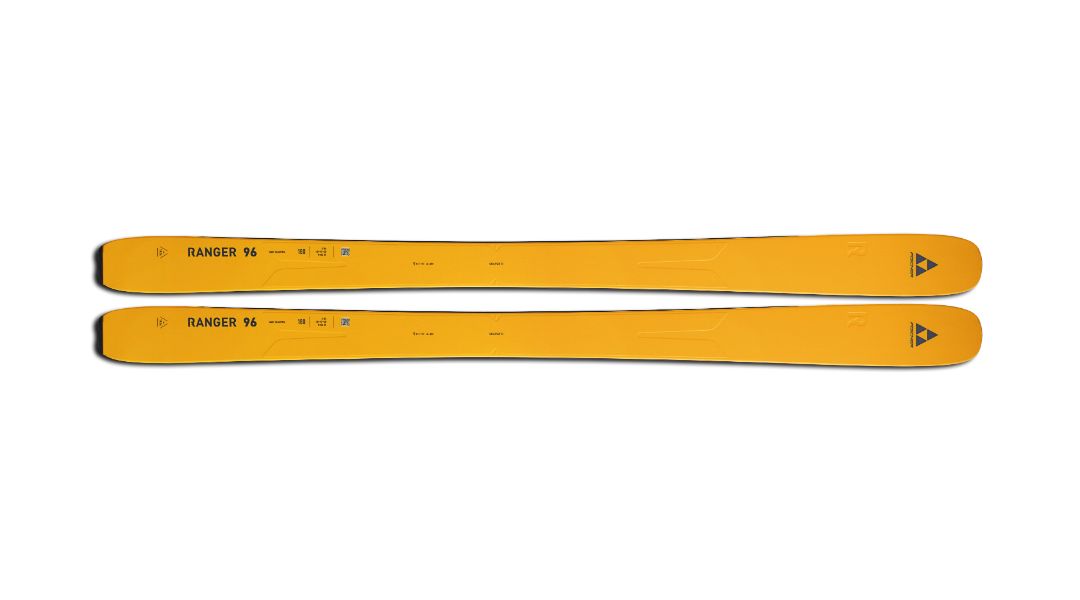
1

Ski Stats
Sidecut 128/96/119
Radius 17m @ 173cm
Lengths 159,166,173,180,187
Weight 1850g @ 173cm
MSRP $849
3

1

0
Given that its double-rockered baseline is biased towards soft snow that gives the tip and tail something to push against, the Ranger 96 is more at home off-trail than on. Skiers who possess a more upright, centered stance may share the reaction of Peter Glenn’s Mark Rafferty, who pondered the question, “How can a ski be both playful and hard charging? Magic, I guess. But the Ranger 96 has all the carve that the Ranger series has been great at for years with an easy-going feel.” While the Ranger 96 has a forebody built for off-trail travel, there’s no faulting its edge grip and stability from the mid-body to the tail, that even a skier as talented and strong as Jim Schaffner appreciates. “A big improvement over the Ranger 102,” opines the Start Haus owner. “More predictable and higher stability. Still easy to drift and slarve, but with a much more consistent behavior on snow. This ski belongs in the group of versatile 90+ mm underfoot, as a one-ski quiver, Tahoe model.” While there’s no mistaking the prodigiously sized Schaffner for a lithe, little lady, if he feels sufficiently supported on a 180cm Ranger 96, it suggests that the same ski in a yellow cosmetic should be no less supportive for the advanced female skier.
Jan’s Mountain Outfitters
Find this ski at the following Realskiers Test Centers

Women’s Test Data Advisory
Please be advised that our 2022 women’s ski reviews do not show any test data, on either our public or members’ sites. Due to circumstances beyond our control, we haven’t been able to collect sufficient test results to justify showing a statistical summary.
While Realskiers members won’t be able to see stats on women’s reviews, they will see a longer, more in-depth narrative than what’s posted on our public site.
We appreciate your continued support through these troublesome times.