
Fit the Whole Skier
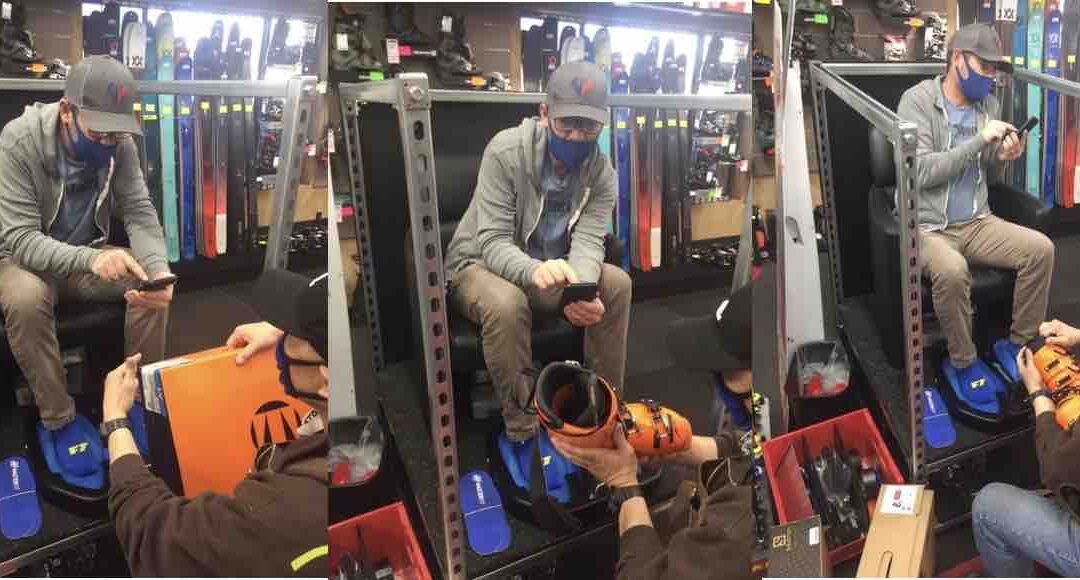
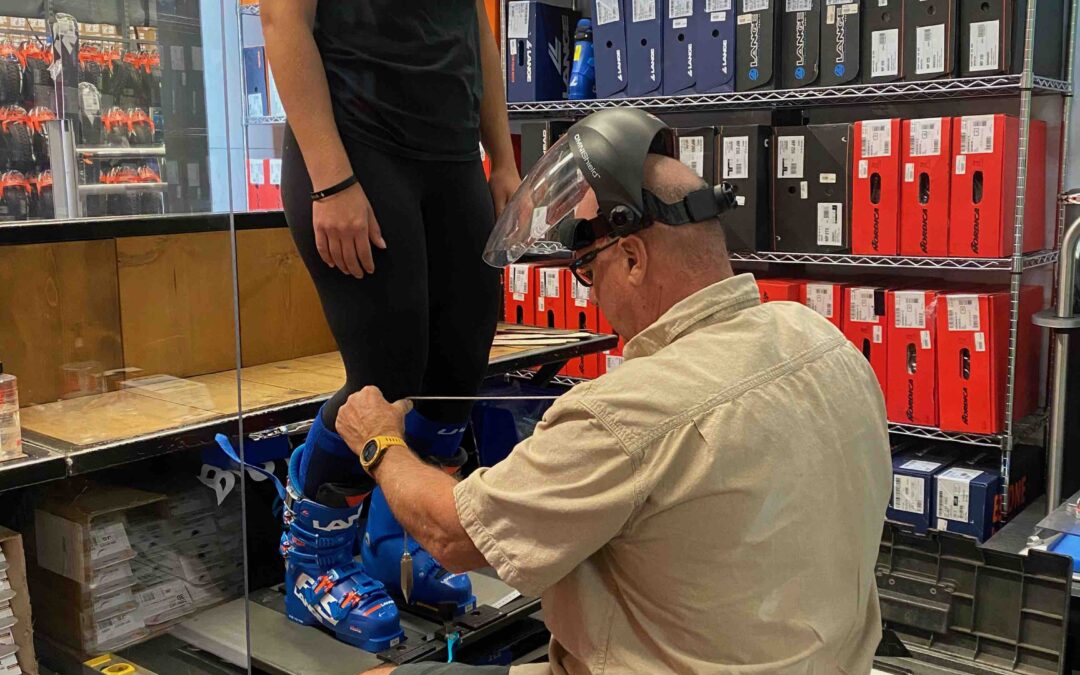
We bootfitters are naturally obsessed with feet, but the best bootfitters don’t just fit feet; they fit the whole skier. The “whole skier” includes more than just a quick survey of the lower leg and how it’s connected to the foot. It’s even more than all of the skier’s physical attributes, which include not only height and weight, but seated posture, stance, kinesthetic wiring, arch health and stiffness throughout the kinetic chain; the whole skier also includes his or her history with the sport and, most importantly, what sort of skier he or she wants to be.
One of the most obvious traits about almost all boot customers is his or her gender. (Please forgive me if I don’t overcomplicate what should be a simple point about body type.) The first step in a sales process that consists of winnowing all possible boots down to one is picking from the pile of unisex boots or the alternative world of women’s boots.
No-brainer, right? Not so fast. What if a particular woman were tall, with a long tibia and a tapered calf? Let’s add to her profile that she’s a good athlete with a background in dance. Up to now, she’s only been an occasional skier who rented her gear, but a new beau has persuaded her to take a deeper dive. She already has her season pass.
The Road to Perdition
The road to hell is said to be paved with good intentions. In my experience, the friends and relatives of prospective boot buyers are a wellspring of wretched advice wrapped in bright ribbons of sincerity and concern.
(Let us pause a moment and prayerfully acknowledge the gratitude of bootfitters everywhere that the new, pandemic-driven bootfit protocol discourages the presence of a bootfit entourage composed of family, moral supporters and consiglieri.)
Back to the subject at hand, the particular nugget of advice I’m leery of is the customary admonition to avoid too stiff a boot as it will hurt, you’ll hate it eventually if you don’t detest it immediately, and it will inhibit your skills development. Get only as much boot as you need and no more, goes the conventional wisdom. Racers need stiff boots; you don’t.
Why This Buyer’s Guide?
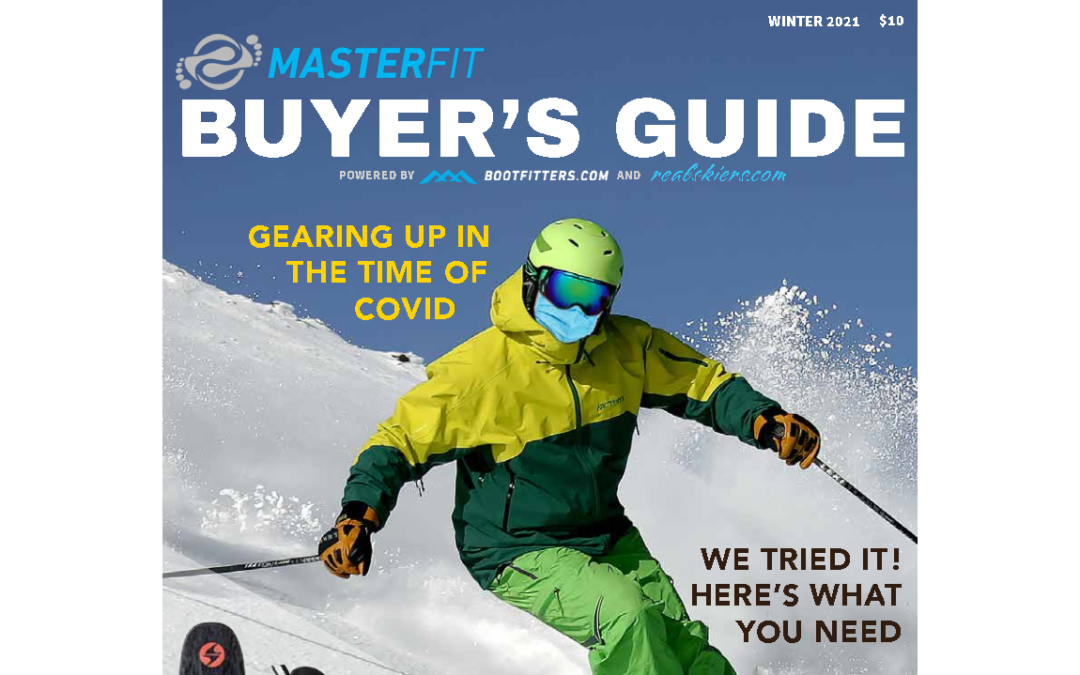
Don’t read the 2021 Masterfit Buyer’s Guide in Partnership with Realskiers.com for its 62 ski reviews. I should know. I wrote or edited all of them.
Not that the ski reviews aren’t worth the read. But ski reviews on the web are as common as rice, while the Buyer’s Guide contains something no other publication, whether in digital, print or video format, can claim: the most respected, thorough and dependable boot reviews in the world.
This isn’t mere puffery. The Masterfit Boot Test is so well regarded by the supplier community that nearly every brand not only sends its following year’s line-up in four men’s sizes plus three for women, it also dispatches its top designers and/or product managers to a distant North American site for most of the test’s five-day duration.
The Brave New World of Bootfitting
During my time on this planet, the value of knowledge – specifically, the detailed understanding of accumulated facts about the past – has been steadily devalued. The impact of the pandemic and the crater it’s left in the world economy has created an uncrossable chasm between now and then. The Firesign Theater once capriciously declaimed, “Everything you know is wrong.” How right they’ve proved to be.
One of the many casualties of our perilous times is that bootfitting as we knew it is over. The last time anyone was able to practice this arcane skill, the best bootfitters would literally lay their hands on the bare feet of their customers. All the good reasons why this hands-on inspection was the part of the state-of-the-art protocol will not be enough to save it.