To (temporarily) kowtow to the cult of brevity, the short answer is, “not very.”
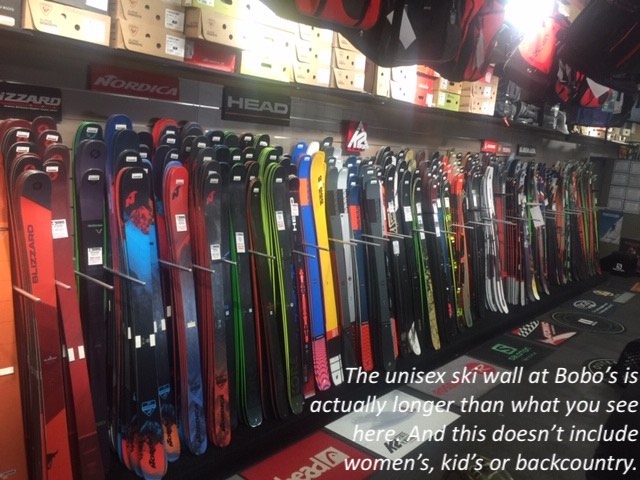
To elaborate, most major ski brands didn’t derail the introduction of new products that were in the works well before the pandemic dropped the hammer. There’s a rhythm to the product renewal cycle that shifts the spotlight every year to a different model family within any brand’s global collection; that rhythm was largely respected despite the unique obstacles imposed on the process this year. If most of the models appearing in 21/22 catalogs seem similar to what was offered this year, it’s because this is how the line renewal machinery ordinarily operates.
What’s difficult to judge from outside the R&D pipeline is what we’re not seeing. That is, were there more new models or upgrades to existing star products ready to launch that were put on hold to avoid overloading a potentially weakened distribution network? Possibly; what might have been a planned six-model launch may have been trimmed to three or four, for example.
Happily, there’s no real downside to this scenario for the prospective ski buyer. All essential model family refreshing and line extensions will unfold as forecast. If you haven’t bought a ski in three or four years – I believe the average span between new ski purchases is over seven – the entire universe of Alpine skis is new to you. You may spot some names you recognize, but the skis that bear the name will almost assuredly be different.
This question is one of the last objections a ski buyer tosses into the flow of the sale just as the salesperson has guided it to the brink of consummation. To keep the impending close on course, the suave salesperson will hedge the issue with some bland reassurance without raising the obvious retort, that no ski can overcome all the many and curious ills that plague the untalented mogul skier.
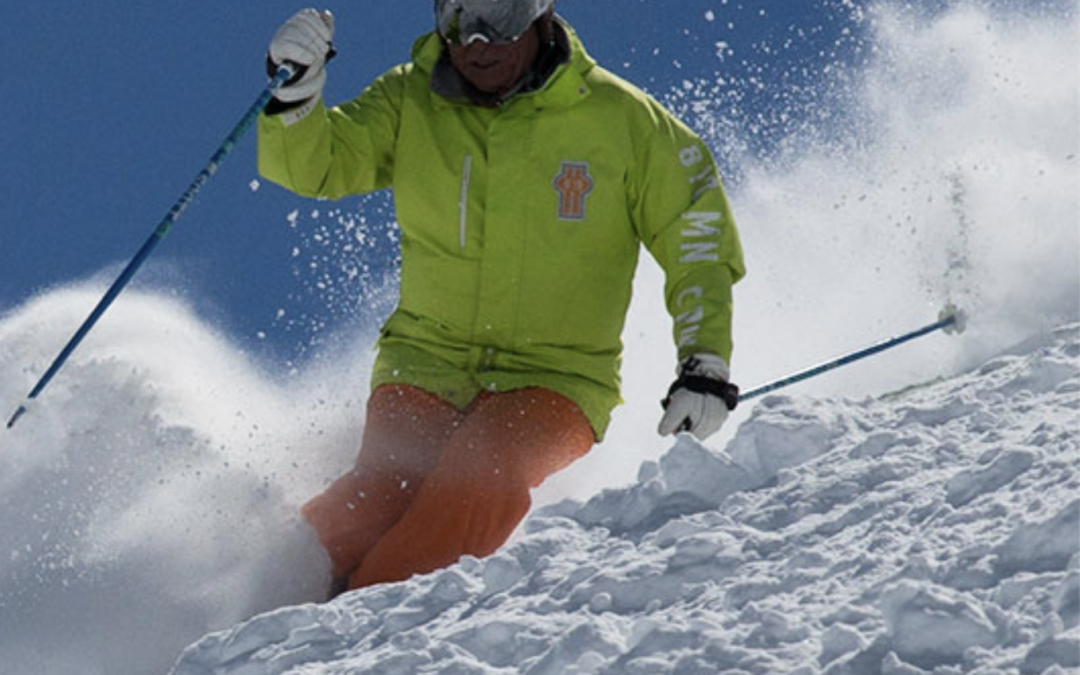
A great skier can manage bumps no matter what ski he or she is on. That doesn’t mean experts don’t have favorite skis for this spine-rattling condition, but they don’t need to change skis just because they encounter a bump field. They’ll manage, and chances are anyone watching them won’t be able to tell if the ski is helping, hurting or just along for the ride.
To get the subject out of the way, there are such things as mogul skis, but they’re made for competitors, not your everyday, all-terrain skier. Their tiny (61mm-66mm) waists and svelte sidecuts were common 25 years ago, but they’re as rare as bacon at a bar mitzvah today. Unless you’re planning to compete, there’s no reason for you to fish in this pond.
Realskiers’ model selection methodology starts by dividing the Alpine ski market into seven categories, using waist width as the organizing principle for three excellent reasons:
1. This dimension is the single best indicator of the ski’s capabilities.
2. Waist width is a hard number, not a fuzzy concept like skier type.
3. Suppliers product lines align with this method, creating models in every category according a coherent pricing logic.
This subject has been percolating in the subterranean strata of my noggin for several months, searching for the connections that will lend it substance. The search for this topic’s handles has a wedding-cake’s worth layers: to depict the wandering mind requires its engagement, a self-cancelling concept that would oblige me to catch and release the idea in a Sisyphean quest to define its merits.
The notion of expounding on this Möbius strip of an idea was, naturally, an example of the wandering mind in action. I might have been noodling on a question several of my Dear Readers have posed, which can be distilled to, how did I ever learn to write in the manner that I do?
To find my answer, I had to relax my grip on the subject. My reasoning self was ready with mechanical answers, such as the discipline of writing every day. Duly noted, but insufficient. Let’s wander a little further.