
Revelations
Getting Lost in the Details, Part Two
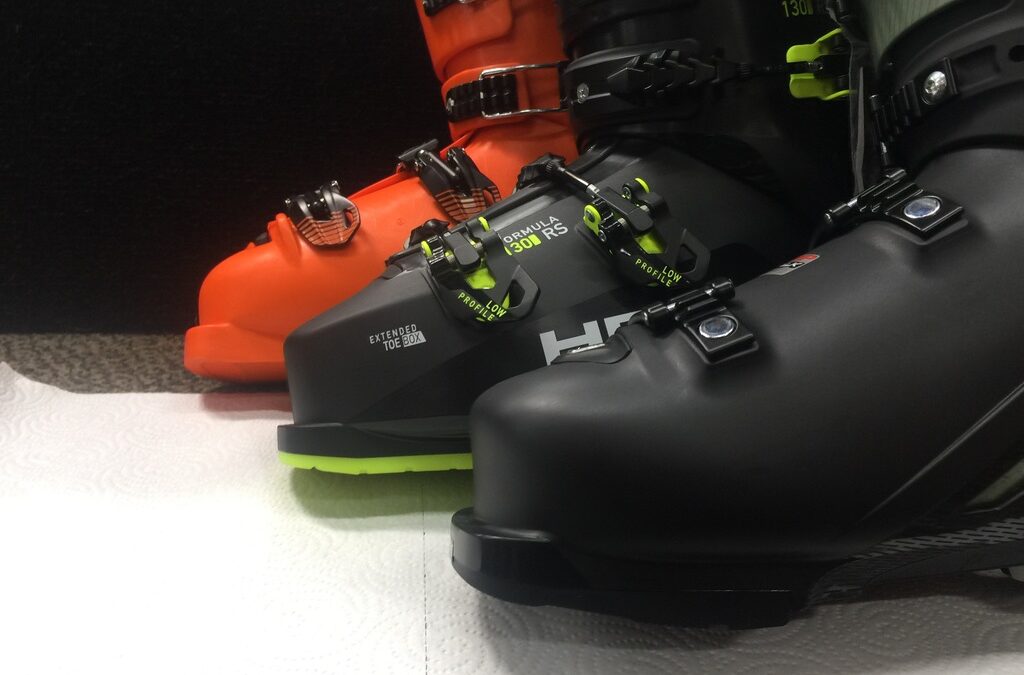
Alpine boot soles now come in three different iterations. Pictured here, front to back, are Gripwalk, an Alpine sole with replaceable sole pads, and a monoblock racing sole. Which one is right for you?Last week, I illuminated to what degree the...
Getting Lost in the Details, Part One
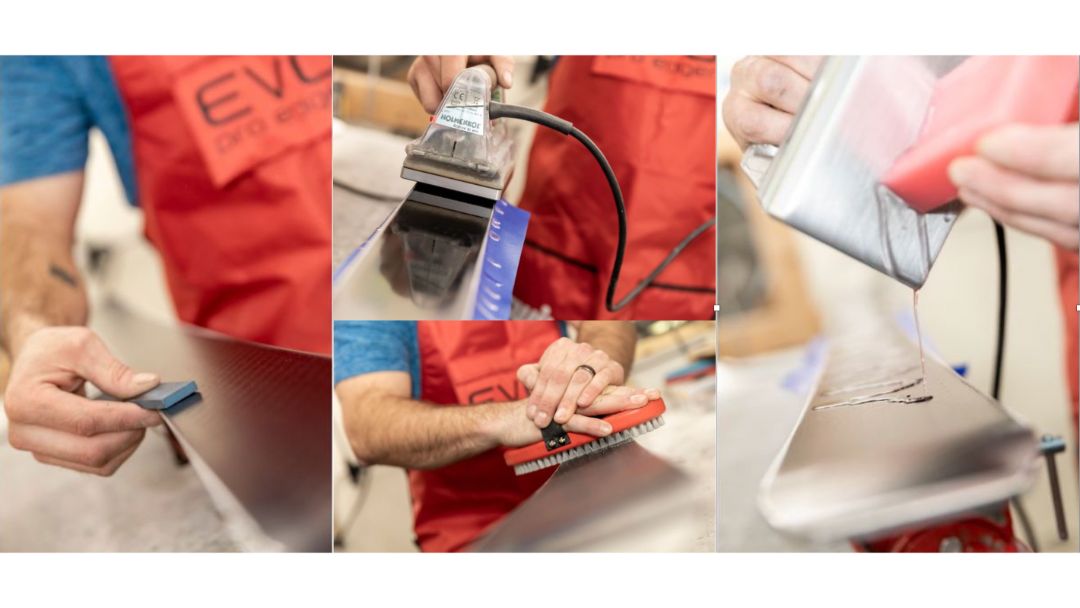
How well you take care of your skis will have an enormous influence on performance. In the race community, tasks like waxing, base structuring and edge beveling can take hours to achieve a perfect result. This Revelation proposes a practical guide...

The All-Resort Skier
While I earned my keep as an equipment maven during my tenure at Snow Country Magazine, towards the end of the relationship they let me try my hand at resort reviews. I’ll never forget the opening paragraph of my first submission because it...
The Best Skis of 2021/22
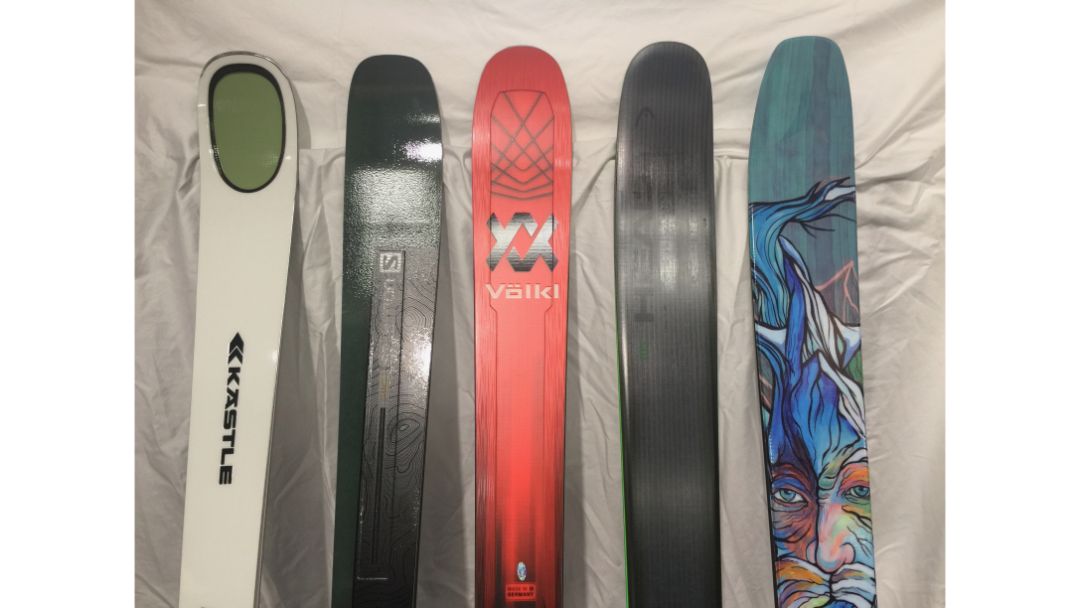
I’m of two minds when it comes to the “best of” business. I realize that many consumers appreciate this shortcut to any further research, take the gold medal as Gospel and act on it. From the designer’s perspective, even though I might make dozens...
The Skis Americans Don’t See, Part Two
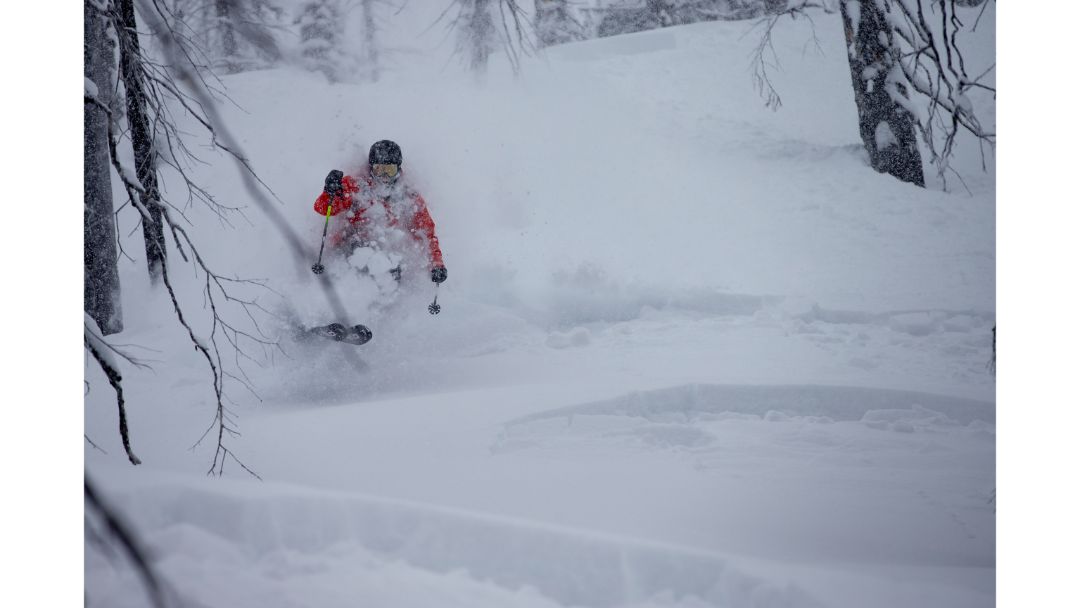
This is the condition Powder skis were made for. If only we could use them every day... As I was dismounting my soapbox last week, I was on the brink of revealing a major reason why mainstream ski suppliers have a hard time making a nickel in...
The Skis Americans Don’t See, Part One
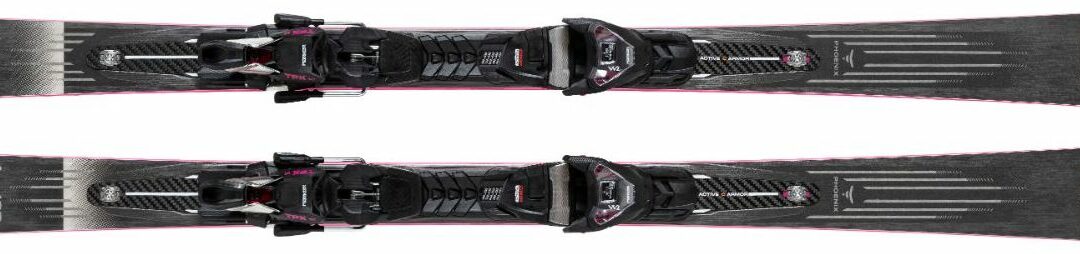
When I took the editorial reins at Realskiers.com roughly a decade ago, I instituted a classification system that divided the Alpine ski market into seven segments. Rather than depend on fuzzy skier types, I chose carefully selected bundles...
The 2021/22 Women’s Ski Market
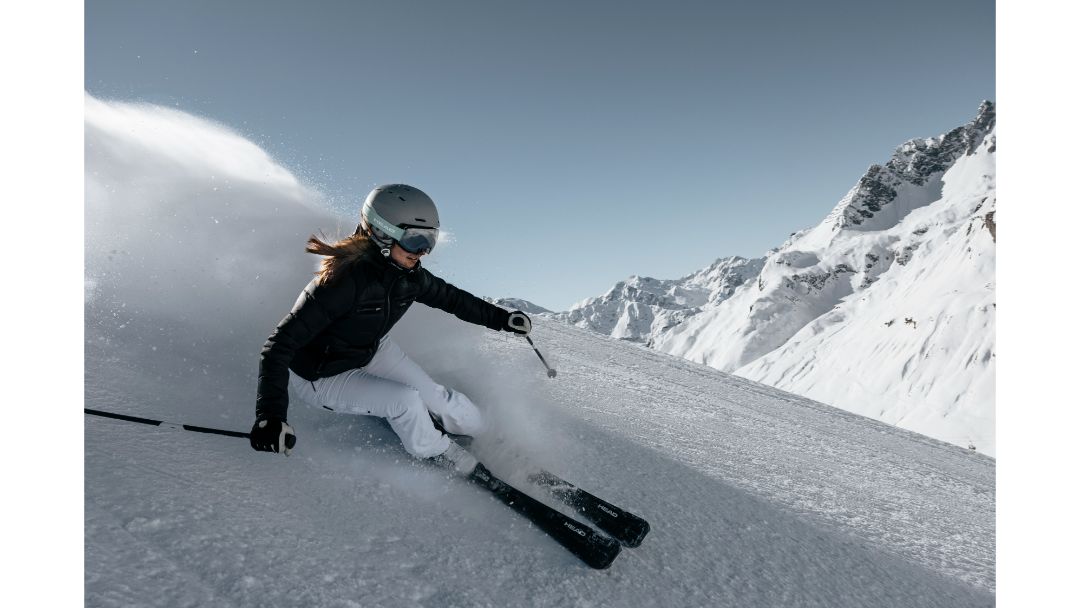
The pandemic tore every plan I ever had for women's ski coverage to shreds. Undaunted, I've provided a full slate of reviews of 21/22 women's models. In this Revelation, I divulge how Realskiers.com pulled off this unlikely coup. Once upon a...

What’s New for 2021/22?
On the whole, last season went much better than anyone expected, at least as events transpired in America. In the spring of 2020, during a window in the calendar when suppliers ought to be counting orders, they were instead inundated with...
Cascading Rivulets of Thought
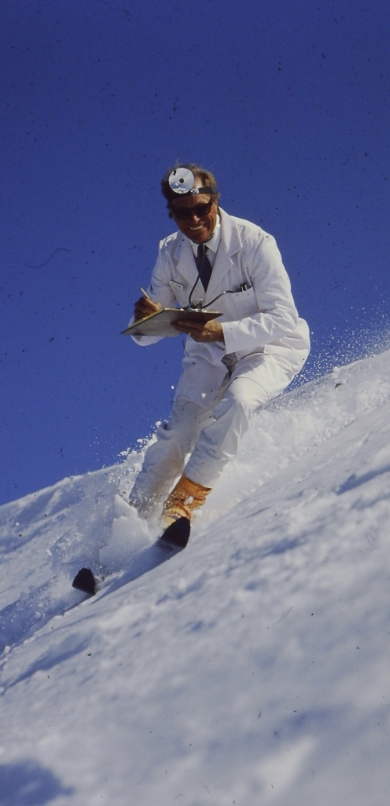
As the photo above attests, I've been composing my thoughts about skis and skiing for a long time. This week's Revelation recaps the 2020/21 season as captured in the pages of Realskiers.com. Oh, what a year it’s been. The ski community has...
How Not to Buy Ski Boots
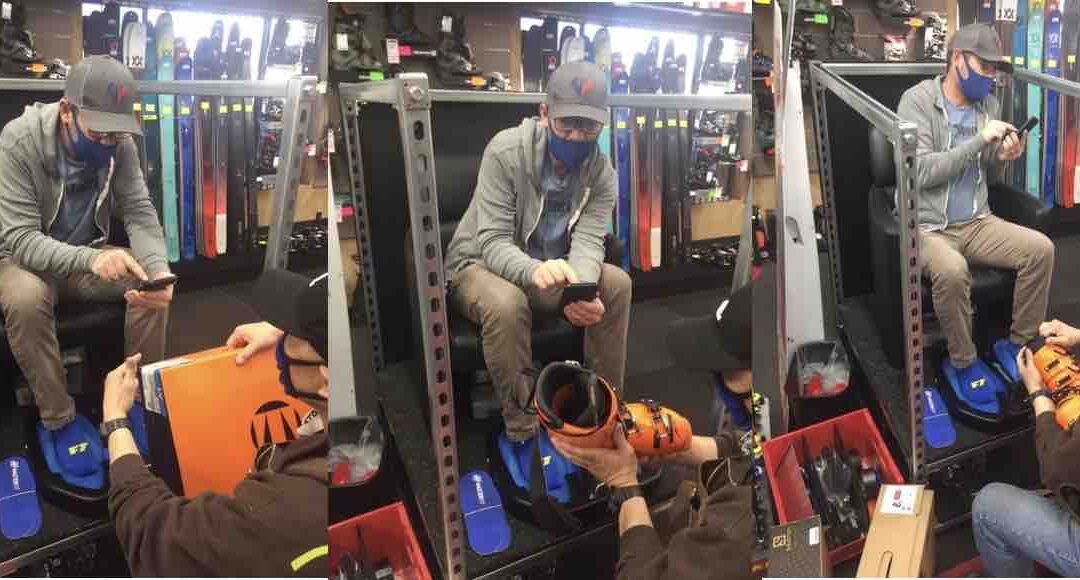
Of all the nefarious practices in our little business, none is more inimical than a consumer shopping a website for price while extracting the vitally important technical expertise from a talented bootfitter. It's like eating a five-star...
52 Weeks
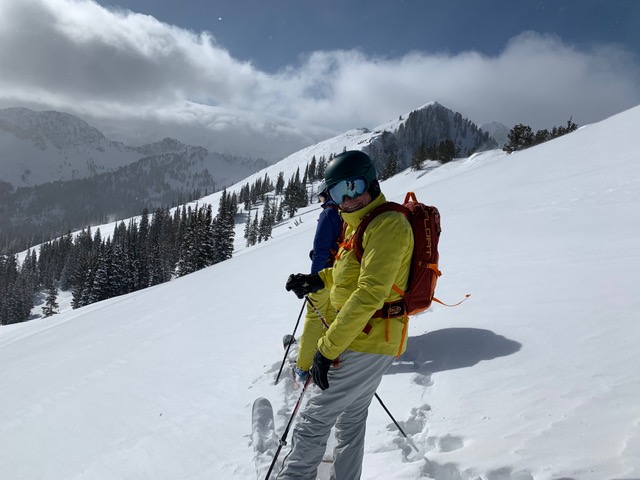
Your Esteemed Editor en route to his next descent in the Wasatch backcountry. If you’re a skier, and you believe in the afterlife, this is where you wind up. (Provided you’ve been very, very good.) We skiers are a resilient lot. One year ago,...
Our Dear Readers Weigh In
One of the benefits of a Realskiers.com subscription is the ability to contact me directly with your questions and comments. I also periodically solicit reader feedback on what I perceive as important issues. Point being, I maintain a robust...
Road Tripping
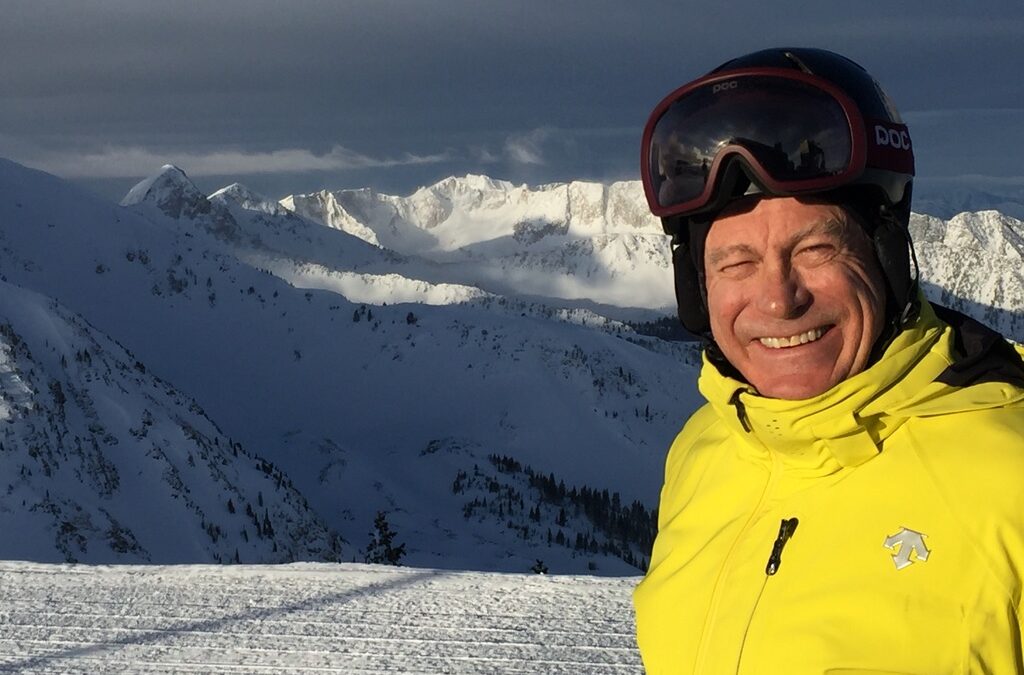
Among the many dissatisfactions of this most unusual season is that travel beyond one’s local environs has been roundly discouraged. Don’t get me wrong: I’m grateful down to my socks that we’re allowed to ski locally, and my version of same is pretty sweet. Pardon the plug, but between Alpine Meadows, Squaw Valley and Mt. Rose I have a smorgasbord of savory choices.
But skiing close to home and skiing on the road are two different beasts. Nothing is the same, really, and therein lies a great deal of the road trip’s charms.
To shed light on my premise, allow me to pull back the veil on my favorite away game, an annual pilgrimage to Little Cottonwood Canyon. By the end of this brief travelogue you will probably hate me, so please fill your vessel of good will to the rim before proceeding.
It’s About Nothing
In the last week of January,2009 I was able to spend a few days skiing in Little Cottonwood Canyon, which is always cathartic for my ravaged soul. The conditions were all over the map, the mountains having experienced a long, hot spell followed by rain, grapple, wet snow and finally dry snow driven by winds that could flense an adult walrus in a few minutes. Couldn’t have been better.
I had been preparing for the trip for weeks, psychologically. Two back surgeries the previous winter had reduced my training regimen from semi-annual to non-existent. Scheduling conflicts such as work kept me from visiting the areas that abound at home near Lake Tahoe, so I had zero ski days on a body with more fat on it than a French duck. I had as much chance of surviving Snowbird and Alta as a rib roast in a piranha tank.
Fortunately, the Lord is merciful, anti-inflammatory drugs are powerful and there are techniques that allow one to block out pain. There are also many wonderful people in this world with which to ski, kind people who stand quietly by, pretending to be in awe of Nature, while my chest heaves so violently in its futile quest for oxygen that tiny lung particles break lose and make for the exits. One such person is Guru Dave Powers, a man whose passion for the sport hasn’t diminished after thousands of days of riding gravity down the infinitely variable slopes and crannies of Snowbird. The Goo knows this hill, and in knowing it well knows so much more.
The Making of a Skier, Chapter XII: Putting Words into the Mouth of God & Other Mid-Life Adventures
When I was cut adrift by Head on June 13, 2001, my once glowing prospects dimmed considerably. The date is etched in memory because I hosted a small soirée that evening in honor of my darling wife’s 50th birthday. One of the attendees was Paul Hochman, who would play several roles in my life as I wandered in the wilderness of unemployment during what were supposed to be my peak earning years.
During the gaping hole in my career that spanned 2001-2011, I would eventually spend every cent of my inheritance, plus most of what I’d saved from earlier bouts with gainful employment, just keeping the household afloat. Despite a river of red ink, my resume would suggest that I was not only commercially active during this epoch, but had my hand in all sorts of ventures.
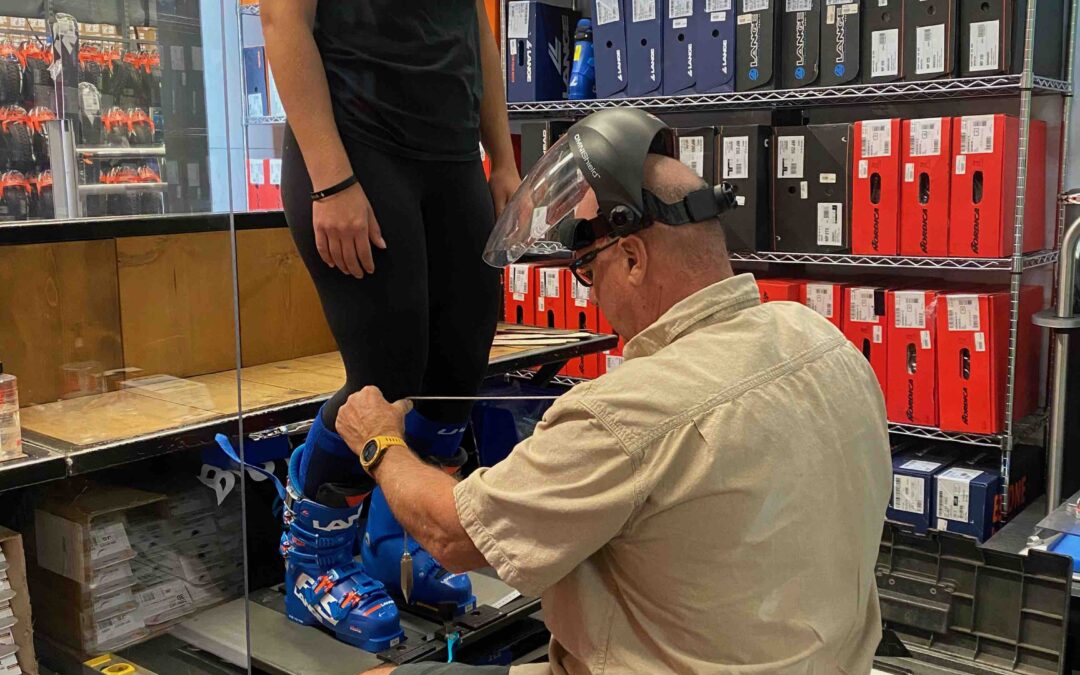
Fit the Whole Skier
We bootfitters are naturally obsessed with feet, but the best bootfitters don’t just fit feet; they fit the whole skier. The “whole skier” includes more than just a quick survey of the lower leg and how it’s connected to the foot. It’s even more than all of the skier’s physical attributes, which include not only height and weight, but seated posture, stance, kinesthetic wiring, arch health and stiffness throughout the kinetic chain; the whole skier also includes his or her history with the sport and, most importantly, what sort of skier he or she wants to be.
One of the most obvious traits about almost all boot customers is his or her gender. (Please forgive me if I don’t overcomplicate what should be a simple point about body type.) The first step in a sales process that consists of winnowing all possible boots down to one is picking from the pile of unisex boots or the alternative world of women’s boots.
No-brainer, right? Not so fast. What if a particular woman were tall, with a long tibia and a tapered calf? Let’s add to her profile that she’s a good athlete with a background in dance. Up to now, she’s only been an occasional skier who rented her gear, but a new beau has persuaded her to take a deeper dive. She already has her season pass.
The Things We Do for Love, Part II
Dear Readers who regularly devour my weekly Revelations know that I have already written at length on the subject of Why Skiers Are Better than Everyone Else. Last Friday I was reminded of my timeless prose as I spent 45 minutes traversing a very short stretch of road that connects I-80 to Route 89, my proscribed path to Alpine Meadows. As I voluntarily descended into this automotive miasma, I could make out the dim form of the interstate traffic snaking down from the west, two dense strands of tightly linked vehicles stretching beyond the horizon.

Realskiers.com Trounces Field to Earn Second Stump-Bertoni Prize for Excellence
In a stunning upset that in retrospect appears inevitable, Realskiers.com has been awarded The Stump-Bertoni Prize for Excellence for the second year in a row.
For those cave-dwellers who snoozed through Realskiers.com’s first triumph in this gilded competition, permit me to bring you up to speed. Then as now, the battle for this cherished trophy (metaphorically speaking – the S-BP lacks sufficient funds for a memento commensurate with its prestige) was fierce, extending both of its eponymous founders to previously unknown limits.
The final ballot was determined by leg wrestling over Stump’s furious protest; he cogently argued that this sort of bias against the vertically challenged has no place in a free society. Bertoni imperiously overruled Stump’s evermore strident complaints, citing a lack of legible documentation, tardy submissions and a tendency to perspire copiously when provoked.
This year’s competition was no less fraught.
Just How Strange Will the 21/22 Ski Market Be?
To (temporarily) kowtow to the cult of brevity, the short answer is, “not very.”
To elaborate, most major ski brands didn’t derail the introduction of new products that were in the works well before the pandemic dropped the hammer. There’s a rhythm to the product renewal cycle that shifts the spotlight every year to a different model family within any brand’s global collection; that rhythm was largely respected despite the unique obstacles imposed on the process this year. If most of the models appearing in 21/22 catalogs seem similar to what was offered this year, it’s because this is how the line renewal machinery ordinarily operates.
What’s difficult to judge from outside the R&D pipeline is what we’re not seeing. That is, were there more new models or upgrades to existing star products ready to launch that were put on hold to avoid overloading a potentially weakened distribution network? Possibly; what might have been a planned six-model launch may have been trimmed to three or four, for example.
Happily, there’s no real downside to this scenario for the prospective ski buyer. All essential model family refreshing and line extensions will unfold as forecast. If you haven’t bought a ski in three or four years – I believe the average span between new ski purchases is over seven – the entire universe of Alpine skis is new to you. You may spot some names you recognize, but the skis that bear the name will almost assuredly be different.
“How Is It in The Bumps?”
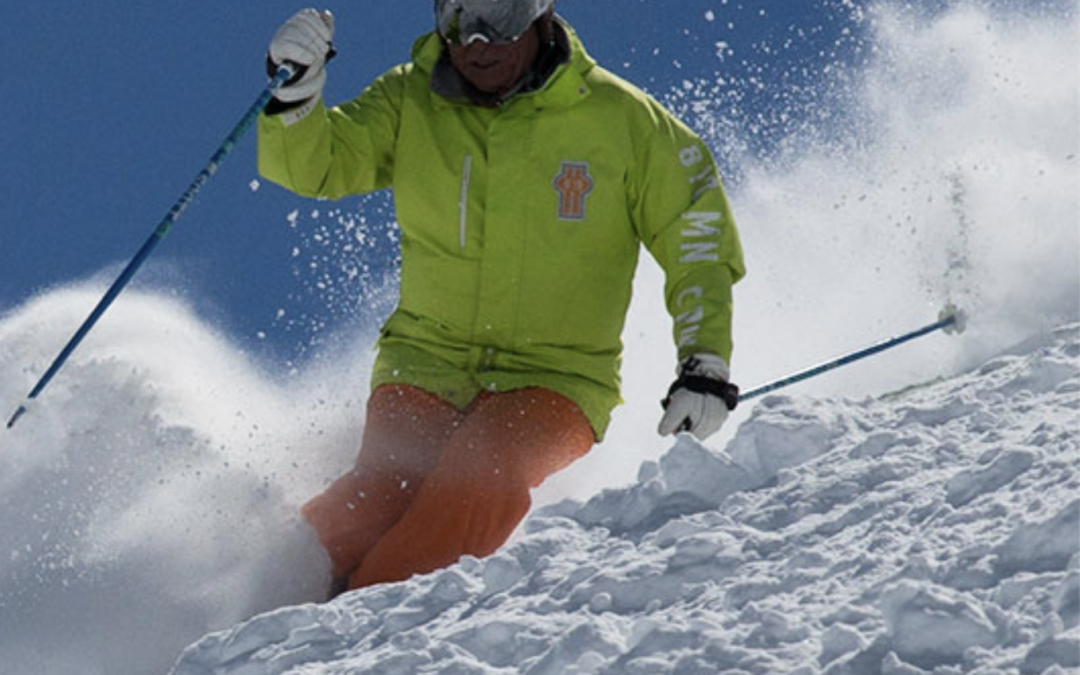
This question is one of the last objections a ski buyer tosses into the flow of the sale just as the salesperson has guided it to the brink of consummation. To keep the impending close on course, the suave salesperson will hedge the issue with some bland reassurance without raising the obvious retort, that no ski can overcome all the many and curious ills that plague the untalented mogul skier.
A great skier can manage bumps no matter what ski he or she is on. That doesn’t mean experts don’t have favorite skis for this spine-rattling condition, but they don’t need to change skis just because they encounter a bump field. They’ll manage, and chances are anyone watching them won’t be able to tell if the ski is helping, hurting or just along for the ride.
To get the subject out of the way, there are such things as mogul skis, but they’re made for competitors, not your everyday, all-terrain skier. Their tiny (61mm-66mm) waists and svelte sidecuts were common 25 years ago, but they’re as rare as bacon at a bar mitzvah today. Unless you’re planning to compete, there’s no reason for you to fish in this pond.
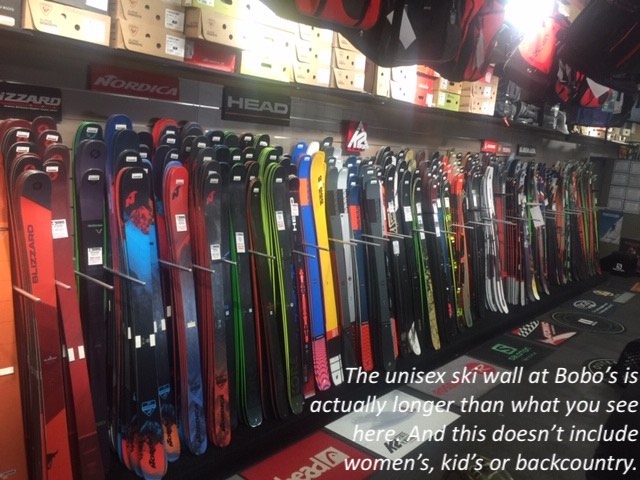
The Savvy Shopper: How to Buy Skis
Let’s begin with a recap of the fundamentals.
Realskiers’ model selection methodology starts by dividing the Alpine ski market into seven categories, using waist width as the organizing principle for three excellent reasons:
1. This dimension is the single best indicator of the ski’s capabilities.
2. Waist width is a hard number, not a fuzzy concept like skier type.
3. Suppliers product lines align with this method, creating models in every category according a coherent pricing logic.
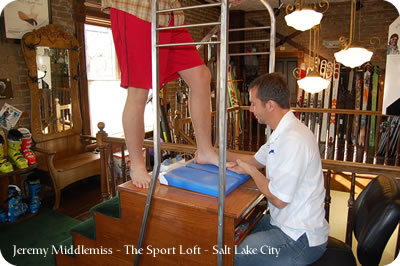
How It Works.
Why You Should Buy From People Who Know What They’re Doing And Have Your Best Interests at Heart Everyone wants a deal. So here’s the deal: every authorized dealer in the US signs a Dealer Agreement that obliges him or her to observe certain...
In Praise of the Wandering Mind
This subject has been percolating in the subterranean strata of my noggin for several months, searching for the connections that will lend it substance. The search for this topic’s handles has a wedding-cake’s worth layers: to depict the wandering mind requires its engagement, a self-cancelling concept that would oblige me to catch and release the idea in a Sisyphean quest to define its merits.
The notion of expounding on this Möbius strip of an idea was, naturally, an example of the wandering mind in action. I might have been noodling on a question several of my Dear Readers have posed, which can be distilled to, how did I ever learn to write in the manner that I do?
To find my answer, I had to relax my grip on the subject. My reasoning self was ready with mechanical answers, such as the discipline of writing every day. Duly noted, but insufficient. Let’s wander a little further.
Yard Sale! When Going Big Goes Wrong
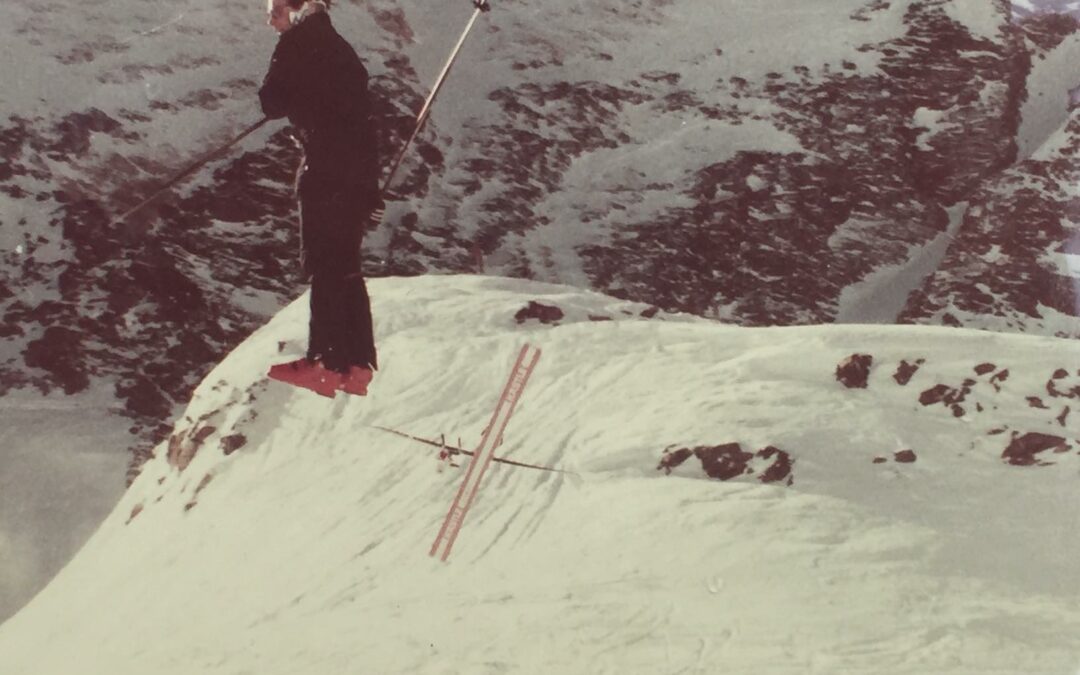
If you’ve been a lifelong skier, you’ve not only experienced failure; most likely you’ve survived at least one miscalculation so soul-scarring, its time capsule is enshrined in the halls of memory alongside weddings and funerals.
As inspiration and prod to memory, allow me to recount a vignette from my days as a freestyle competitor. The location is Keystone, Colorado, the event, The Chicken of the Sea Freestyle Classic, a sponsorship coup that couldn’t have been too tough to land as Ralston Purina owned both the resort and the tuna.
I qualified via a preliminary aerial competition, taking a conservative tack by throwing a mule kick, hardly daring when going upside down was common. But my modest move was clean and hung out to dry, with a barely discernible, weightless pause at its apex.
The Best Women’s Skis of 2020
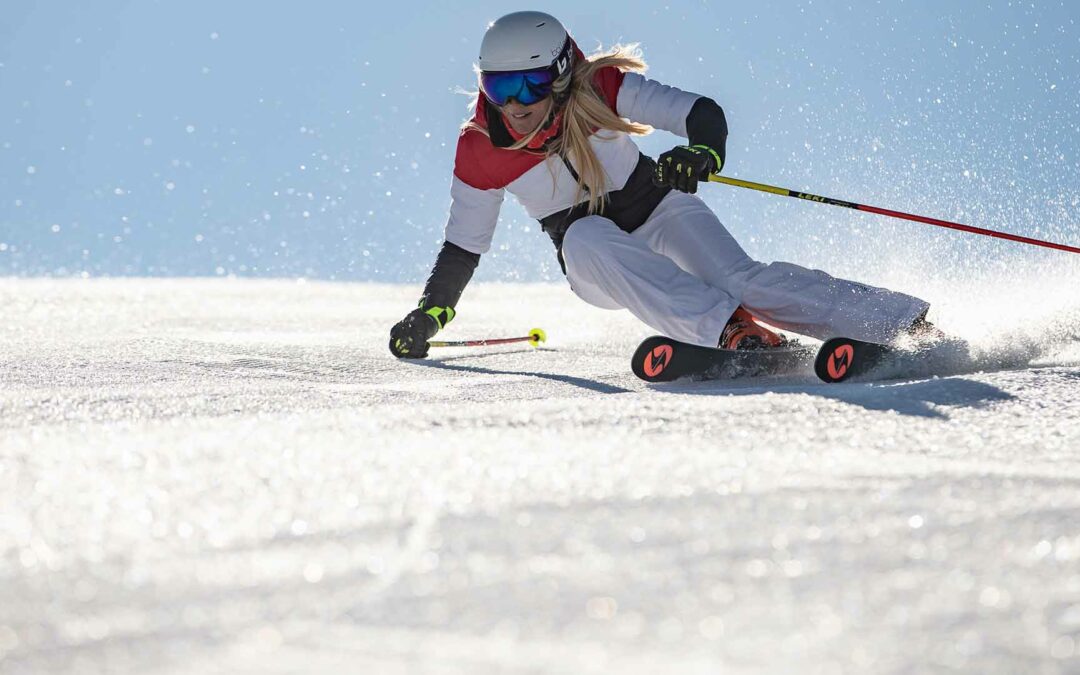
Before getting down to the business of picking favorites, let’s re-examine the fundamental question, what makes a ski a women’s ski?
Not to be flippant, but any ski its maker markets as a women’s model qualifies in that it will come in shorter lengths, which are scaled to match smaller people, a considerable percentage of which are women. To drive this point home, the women’s models will also be decorated in themes deemed – however correctly – to be more appealing to women.
The Best Skis of 2020
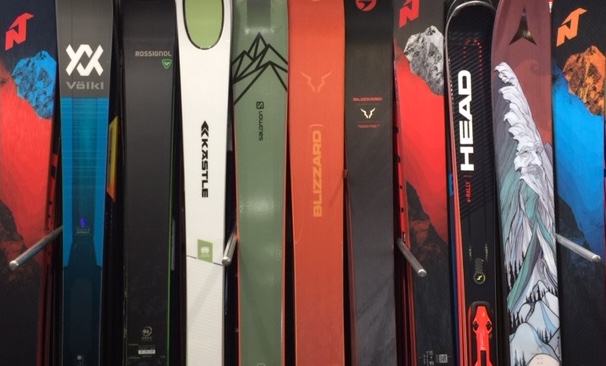
I’m of two minds when it comes to the “best of” business. I realize that many consumers appreciate this shortcut to any further research, take the gold medal as Gospel and act on it. From the designer’s perspective, even though I might make dozens of prototypes, I would still only manufacture one model. From where the ski review purveyor sits, for any given set of criteria, it stands to reason that the ski with highest aggregate score would be the best.
The other side of the coin is that there is no best ski, nor can there be. Within the key All-Mountain categories where most consumers correctly shop, the diversity of on-snow behaviors is astounding. It’s impossible for all these skis to register identically with all the skier types who might consider them. Since there is no one definition of “best,” it’s not possible to identify a single “best” ski for all skiers.
Resurrecting Realskiers Resources: The Revival of Ancient Review Archives & The Restoration of the Test Card App
One of the most popular features on Realskiers.com’s member site is our Ski Review Archive, where Recommended ski reviews dating back to 2015 can be easily exhumed and examined. Longtime site subscribers know that this is only a partial collection, that in fact our review archive reaches back to the turn of the millennium.
We’ve been keeping these well-aged scrolls under wraps in part because, like actual ancient documents, the software they were written on (so to speak) has grown old and rickety. There are some serious downsides to continuing to operate obsolete platforms, but to a certain cadre of our readers their contents are as precious as holy relics.
Is 3D Imaging a Fad or the Future?
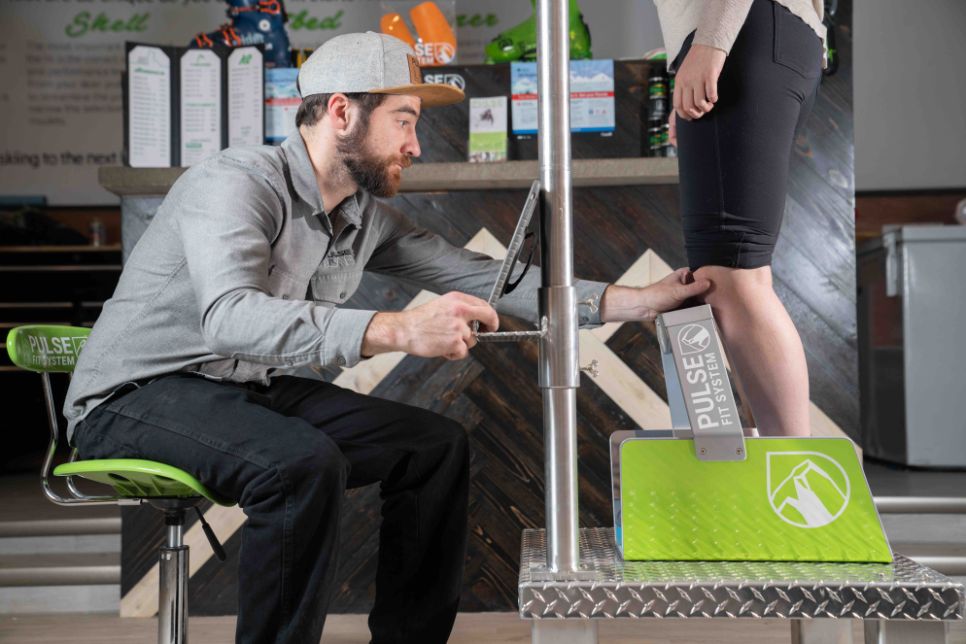
Any serious attempt at bootfitting begins with an assessment of the customer’s feet and lower legs. This appraisal can be as superficial as measuring each foot for length or as detailed as a complete skier profile accompanied by a few basic biomechanical evaluations.
Better bootfitters gather further information from a litany of details that lie outside the scope of the usual foot-measuring device, such as a Brannock. The veteran bootfitter watches how the customer walks, sits and assumes a skiing position, for starters. The savvy fitter can even spot limb-length differences and redistribute pressure around the foot in places no measuring stick can quantify.
If this sounds like a pretty sophisticated skill set, well, it is. Yet many, if not most, prospective boot buyers approach the bootfitting exercise with the same enthusiasm they usually reserve for a root canal. Suspicions are often confirmed when the first boot proffered seems crazily short. Even the most knowledgeable fitter is obliged to re-establish his/her credibility just to move the bootfit process pass square one.
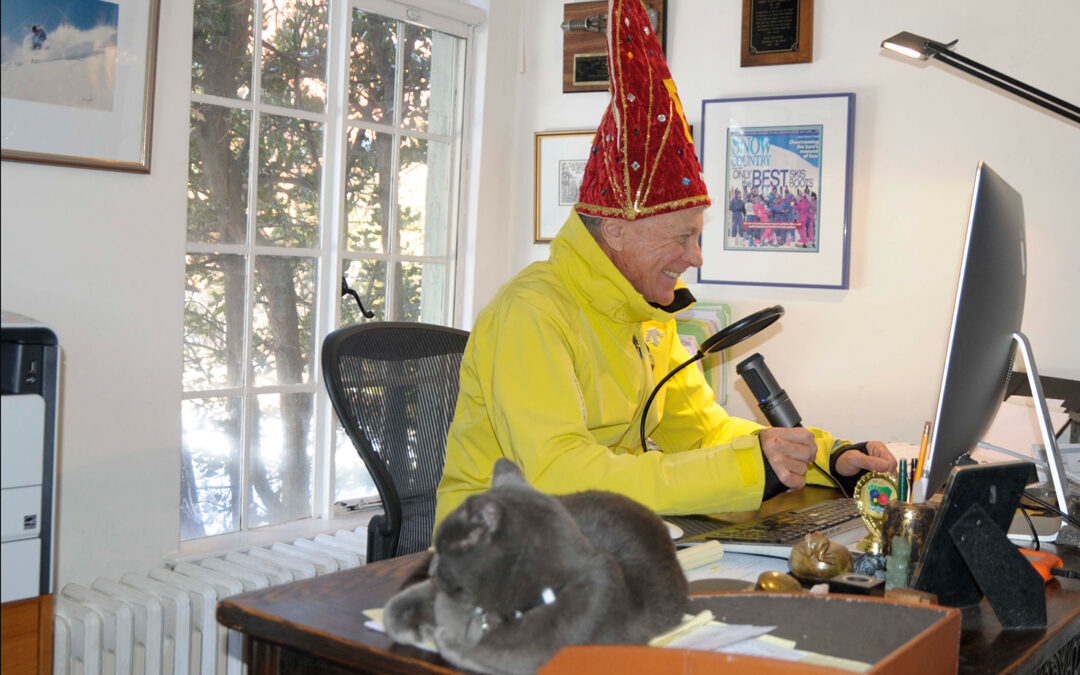
Of Podcasts, Archives & Revelations
According to my tight-knit circle of advisors, idolaters, sycophants and astrologers, I was made for this medium.
Of course, any garden-variety sycophant will whisper words of inspirational twaddle, but the faint note of sincerity I detect in the smarm-storm of platitudes meant to buck me up has proven sufficient to spur me to action. I quickly acquired a very professional looking microphone and a pop filter to knock down my fierce sibilants. To preserve my objectivity, I opted not to take any lessons, follow any tutorials or otherwise prepare myself for this venture. By the powers vested in me as the Pontiff of Powder, I declare myself to be, now and forever after, a podcaster.
I’ll give you a moment to recover.

The Making of a Skier, Chapter XI: Desperate Measures
When Head humanely, if rather brusquely, terminated my tenure in 2001, the ski business in the U.S. was already facing stiff headwinds, a brewing storm that would turn into a full-on debacle when 9/11 disrupted all commerce. I became unemployed just in time for the job market to implode.
I don’t handle inactivity well. I started writing a very long, very dreadful novel, composed a handful of scripts for Warren Miller – and later, Jeremy Bloom – to recite and scribbled batches of brochure copy and white papers for industries as diverse as accounting software, instrumented football helmets that registered concussions and risk assessment based on location.
The pickings were slim, but they wouldn’t have amounted to anything at all were it not for a little help from my friends. Andy Bigford, who I’d worked with at Snow Country, hired me for the Warren Miller gig. A college chum kindly engaged me to write white papers on accounting fraud. But it was Dave Bertoni, an erstwhile colleague from Salomon days, who joined me in creating Desperate Measures: A Training Method for Selling Technical Products at Retail.